Pulaixitou Tribe Historic Battle Trail
Updated:2026-08-11
 4.4
4.4Popularity
11193- mountain climbing and hiking
Fun activities
- Walk along a Japanese Colonial Period patrol trail and take in a century of history and scenery.
- The trailhead is at Baolai Flower Park and Hot Springs; after your hike, stop by Baolai Hot Springs to relax.
- During plum blossom season in January and February, visitors can enjoy plum trees in full bloom along the trail.
- From March to April, pink shower trees bloom in Baolai Flower Park and Hot Springs, where visitors can look out over a sea of blossoms.
The Pulaixitou Tribe Historic Trail follows a mountain ridge. Its first entrance is within Baolai Flower Park and Hot Springs in Liugui District, Kaohsiung City. The trail is approximately 1.7 kilometers long, sits at an elevation of 450 to 500 meters, and has a gentle grade. As hikers make their way to higher ground, the view gradually opens onto the valley formed by the confluence of the Laonong River and Baolai River, as well as landscapes shaped by long-term erosion of the mountainside. It is one of the sights not to be missed along the Nanheng Highway. 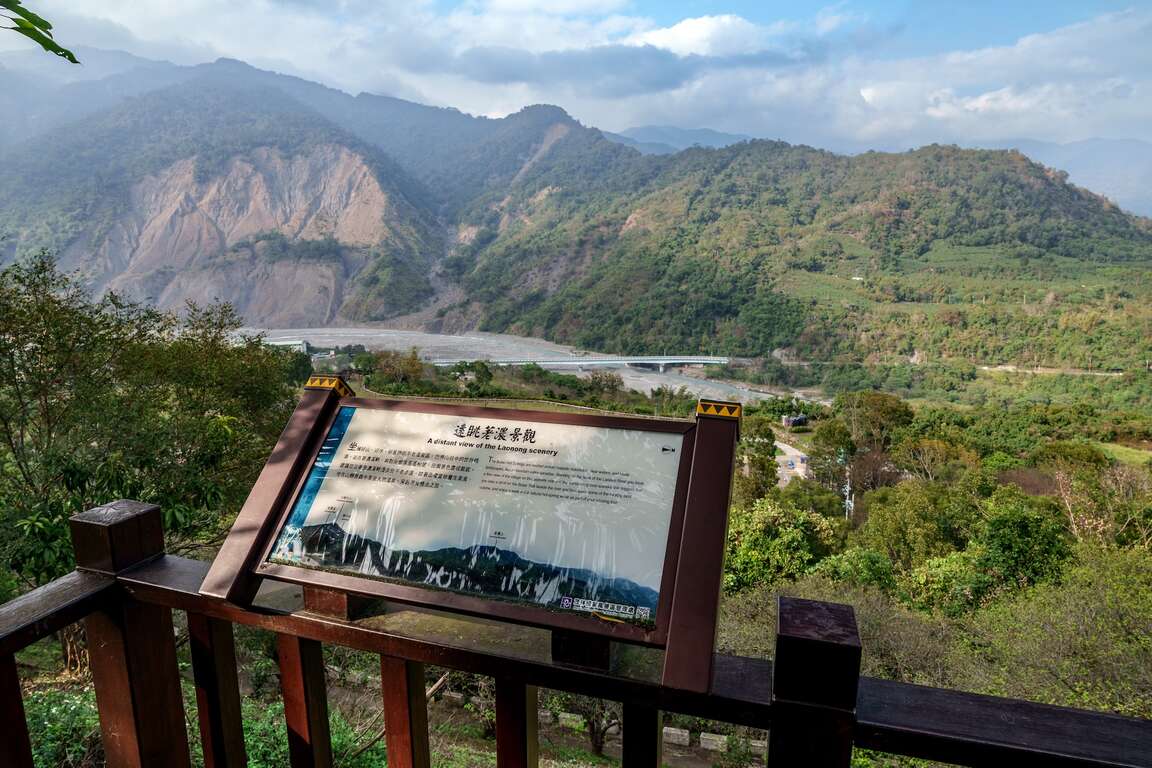
The trail's name preserves the history of local settlements: "Pulai" is the old name for Baolai, while "Xitou Tribe" (the former Tsou Indigenous settlement) marks where a Tsou community once stood. According to local accounts, during the Japanese Colonial Period, laborers were mobilized along the Meilong Mountain ridge to haul cannon barrels and materials for their bases up to the summit of Baolai Peak so the Meilong Mountain Fort could be built to control Indigenous activities. That route became the precursor to the Pulaixitou Tribe Historic Battle Trail. Once forgotten, this historic route returned to public attention after a 1994 survey ed its location and later became the scenic mountain path known as "Ageless Baolai."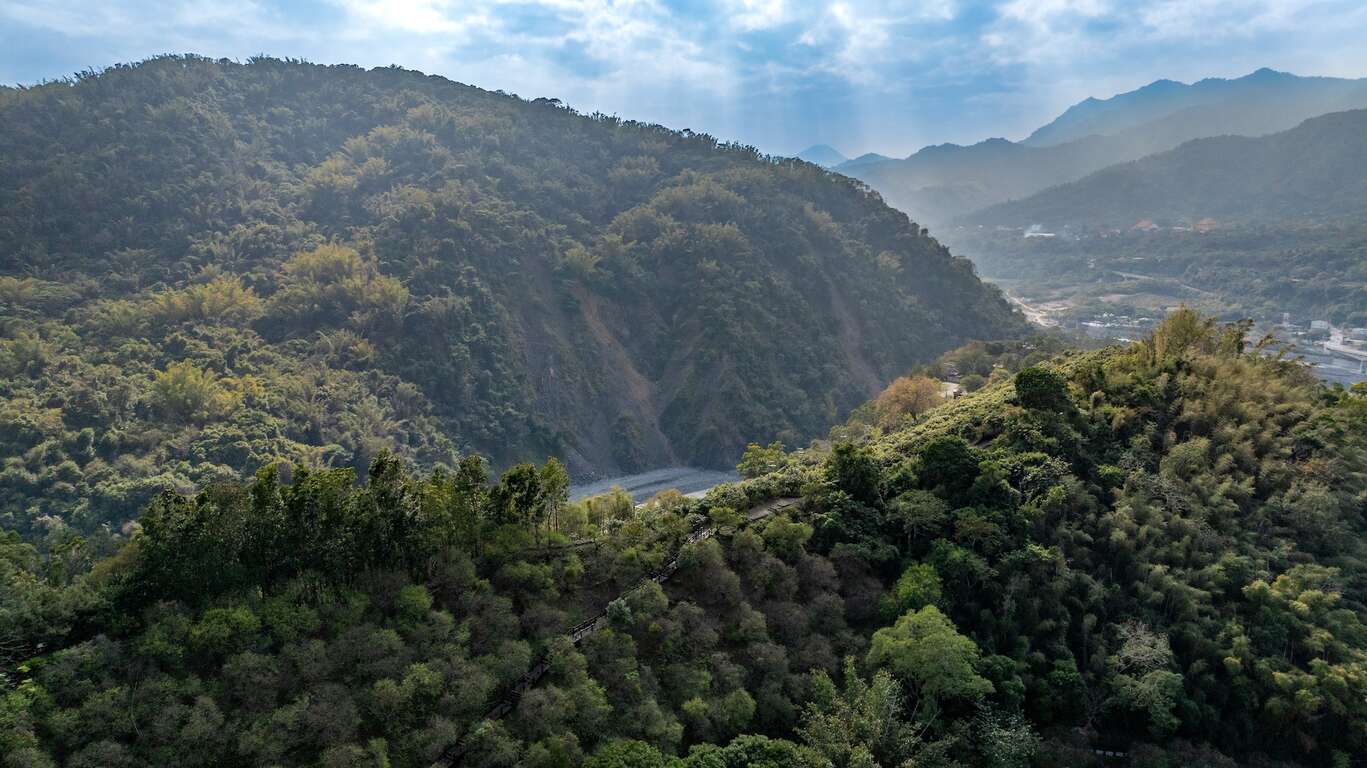
Along the trail, visitors pass bamboo groves, acacia trees, and plum orchards, where a breeze rustling through the bamboo leaves creates a soft, distinctive sound. In winter, plum blossoms dot the hillsides in white; in spring and summer, hikers can look down from higher ground to see the soft pink blooms of pink shower trees in the valley below.
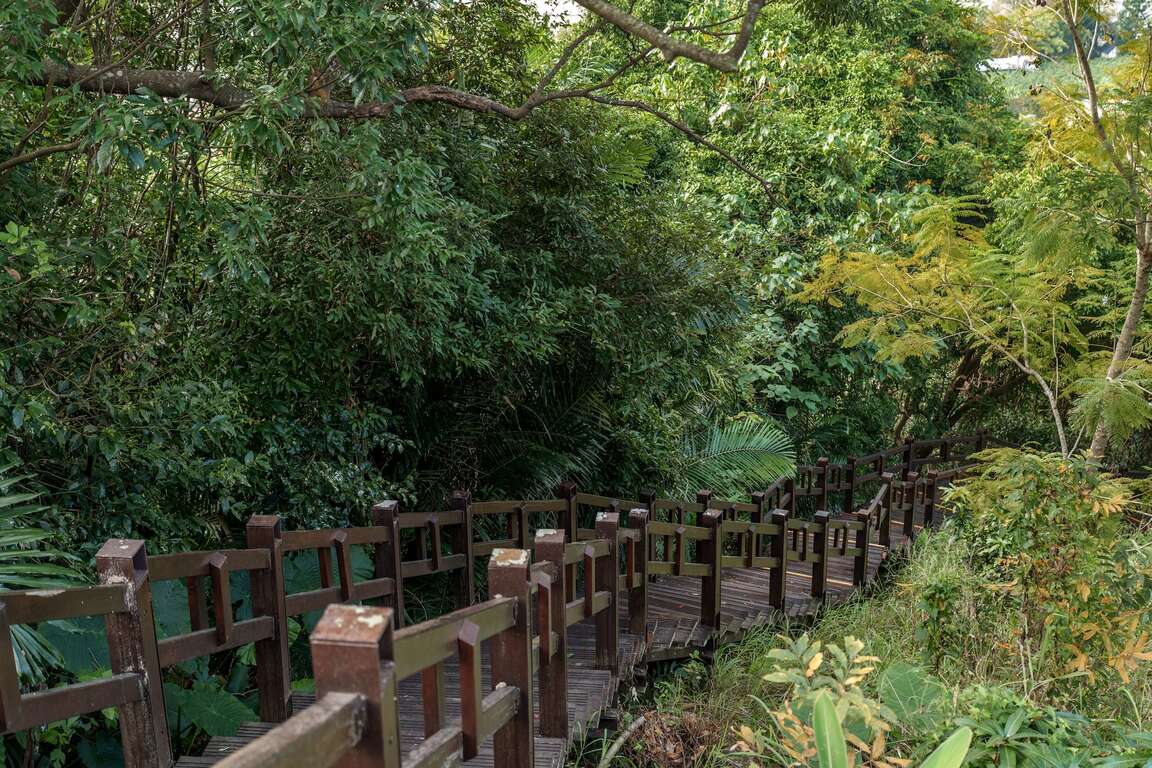
Observation decks and boardwalks line the trail, and from 6:00 PM to midnight each day, night lighting illuminates the path with a view entirely different from daytime. Lights along both sides of the wooden steps provide soft, clear visibility for walking, while on flatter sections, light-and-shadow projections cast local ecological motifs, including purple crow butterflies, Taiwan lilies, and rippling water patterns, onto the ground, adding rich color to the nighttime trail.After completing the trail, consider visiting Baolai Flower Park and Hot Springs as well, and let a hot-spring soak ease your fatigue with a restorative pause in the mountain forest.
The trail's name preserves the history of local settlements: "Pulai" is the old name for Baolai, while "Xitou Tribe" (the former Tsou Indigenous settlement) marks where a Tsou community once stood. According to local accounts, during the Japanese Colonial Period, laborers were mobilized along the Meilong Mountain ridge to haul cannon barrels and materials for their bases up to the summit of Baolai Peak so the Meilong Mountain Fort could be built to control Indigenous activities. That route became the precursor to the Pulaixitou Tribe Historic Battle Trail. Once forgotten, this historic route returned to public attention after a 1994 survey ed its location and later became the scenic mountain path known as "Ageless Baolai."
Along the trail, visitors pass bamboo groves, acacia trees, and plum orchards, where a breeze rustling through the bamboo leaves creates a soft, distinctive sound. In winter, plum blossoms dot the hillsides in white; in spring and summer, hikers can look down from higher ground to see the soft pink blooms of pink shower trees in the valley below.
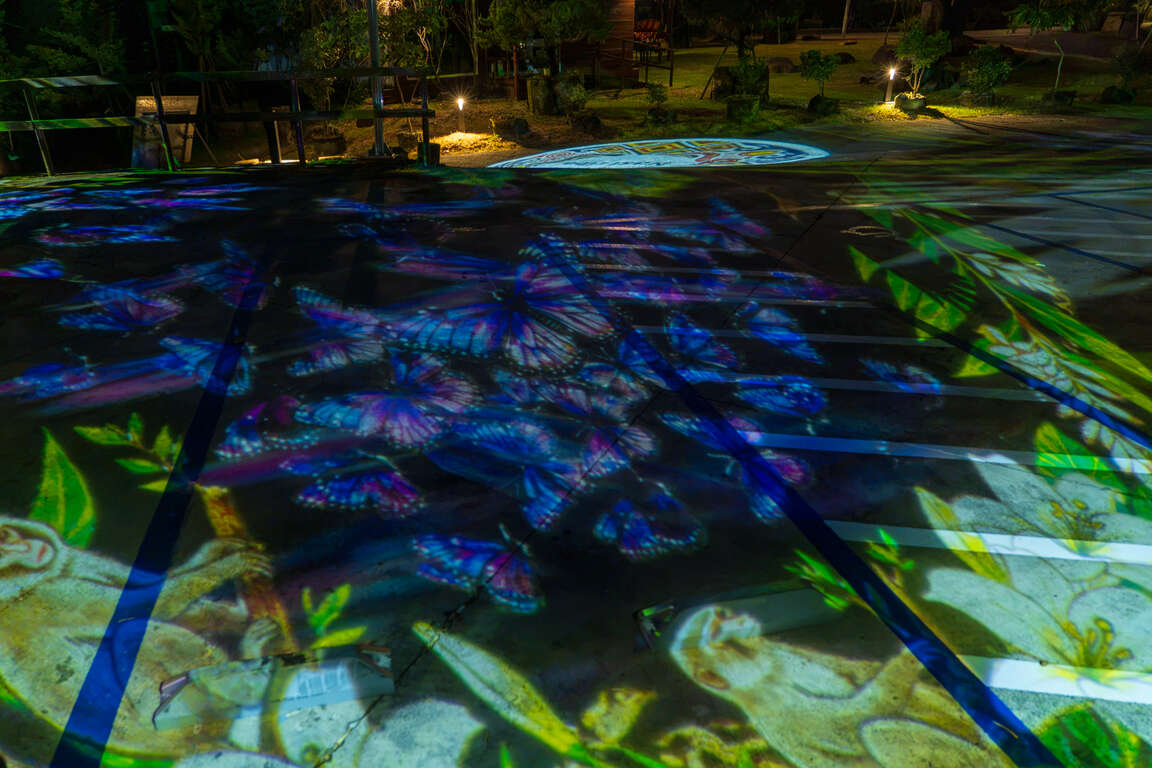
Observation decks and boardwalks line the trail, and from 6:00 PM to midnight each day, night lighting illuminates the path with a view entirely different from daytime. Lights along both sides of the wooden steps provide soft, clear visibility for walking, while on flatter sections, light-and-shadow projections cast local ecological motifs, including purple crow butterflies, Taiwan lilies, and rippling water patterns, onto the ground, adding rich color to the nighttime trail.After completing the trail, consider visiting Baolai Flower Park and Hot Springs as well, and let a hot-spring soak ease your fatigue with a restorative pause in the mountain forest.
Information
Open Time
- Sunday:Open 24 hours a day
- Monday:Open 24 hours a day
- Tuesday:Open 24 hours a day
- Wednesday:Open 24 hours a day
- Thursday:Open 24 hours a day
- Friday:Open 24 hours a day
- Saturday:Open 24 hours a day
TEL
886-7-6871234
How to Get There