Wanshan Tribe
Updated:2026-08-11
 0
0Popularity
5000- aboriginal people homeland culture
Fun activities
- Savor Sisia (an Indigenous curry-style dish) at Wanshan Tribe's Indigenous table, and enjoy its distinctive texture and local community flavor.
- Step into traditional stone slab houses and capture the rustic architectural atmosphere created by falling light and shadow.
- Visit 'Oponoho (an Indigenous community) and uncover the mystery behind the prehistoric Wanshan Rock Carvings.
Wanshan Tribe is located along Kaohsiung Route 132 in Maolin District, with its entrance about 7 kilometers beyond Maolin District Office. During the Japanese Colonial Period, Wanshan Village was known as Mandaulan (the former community name), and the original settlement stood at the foot of Mt. Wantoulan at an elevation of 1,475 meters; the community calls this place 'Oponoho (an Indigenous place name). Old Wanshan still retains a complete cluster of stone slab houses, but because the road was steep and hazardous, the community relocated together to its current site in 1956.
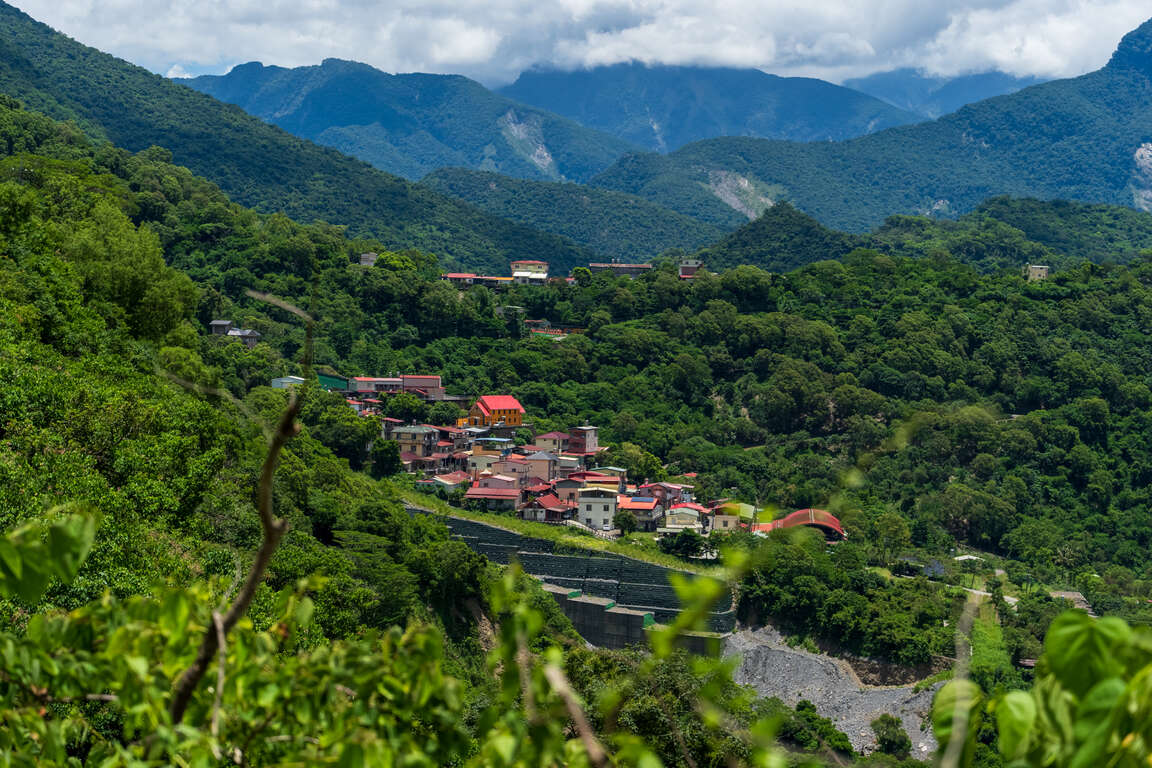
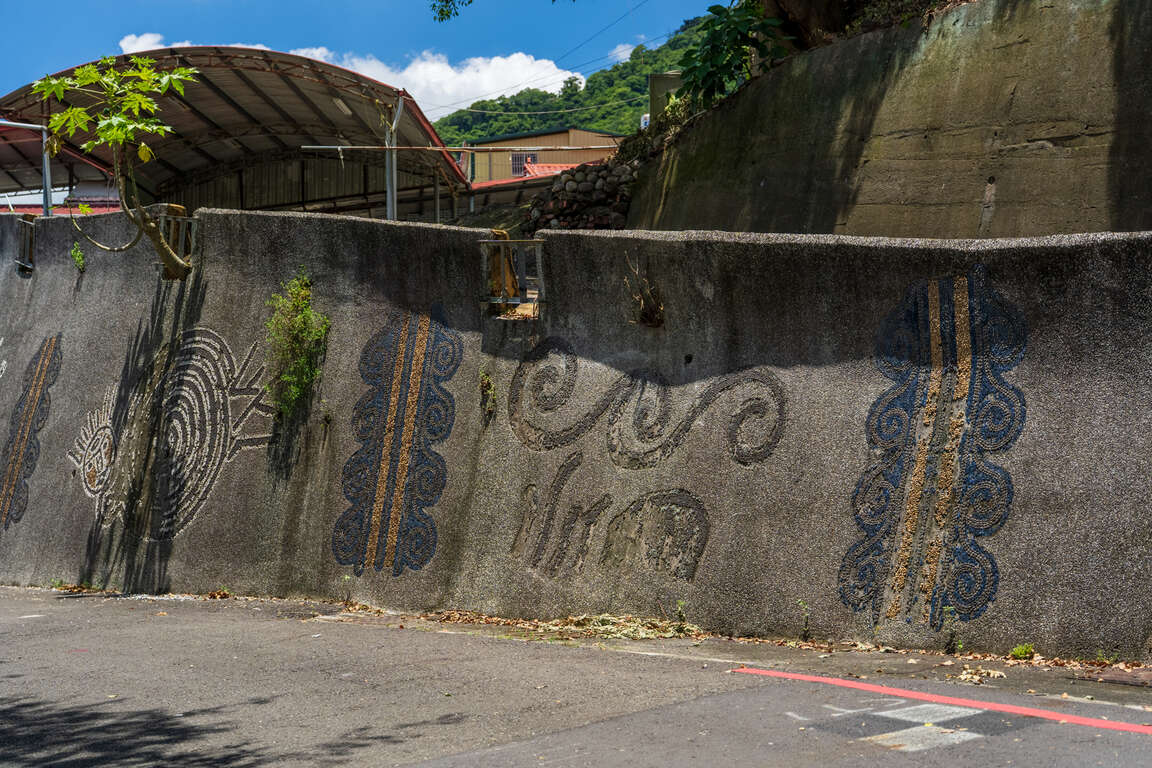
Step into Wanshan Tribe, and you will find residents' everyday life unfolding along the mountainside in a quiet, unhurried setting. As you walk through the lanes, you can see how traditional architectural wisdom continues in daily life. Some exterior house walls and retaining walls are built from local stone, preserving features of early Indigenous peoples' dwellings. Look closely, and you may spot distinctive circular and human-figure motifs on street corners and walls. These patterns come from the renowned Wanshan Rock Carvings archaeological site, and the community has incorporated these marks left by its ancestors into everyday spaces.
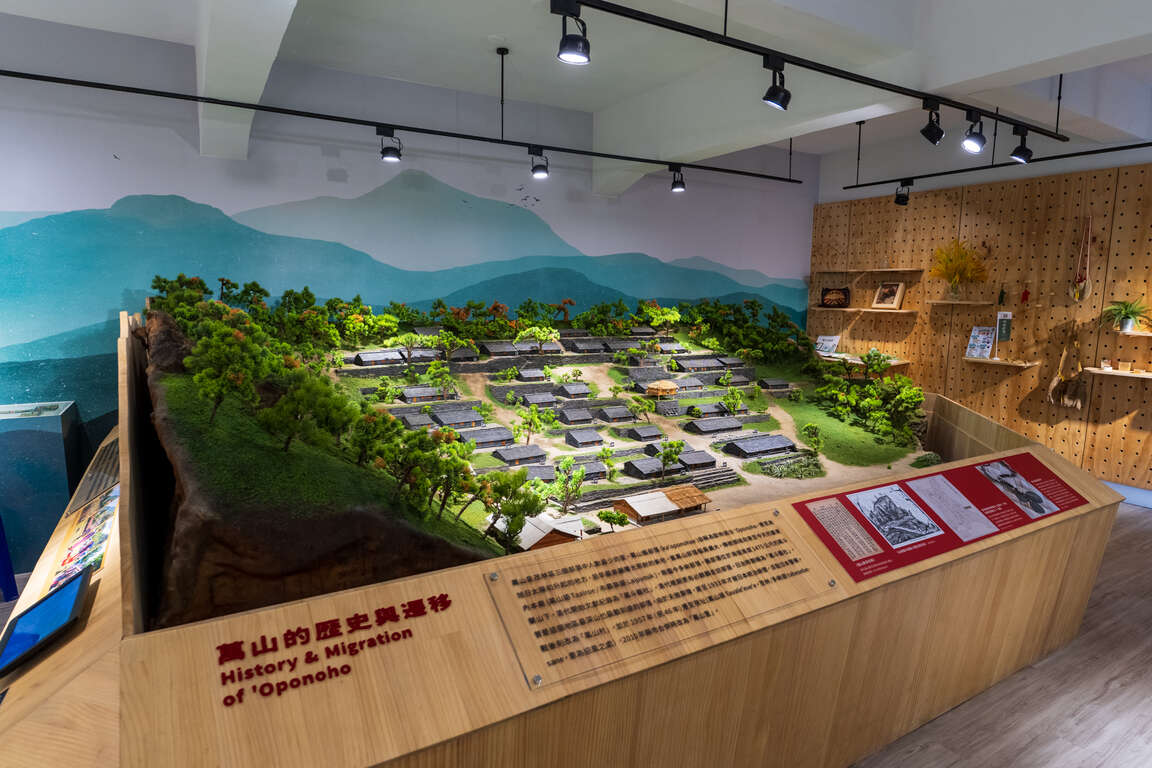
To learn more about these mysterious motifs, visit the Wanshan Rock Carvings Museum in the village. The museum displays precious artifacts such as millennia-old rock carving rubbings, a century of community history, and model replicas of houses from the old settlement, while in-depth guided tours share the community's century-long heritage and traditional stories.
The community's daily rhythm is closely tied to its surroundings. Most residents farm, following the seasons to grow Taiwan red quinoa, millet, and other crops. When visiting Wanshan Tribe, there is no need for a packed itinerary; simply slow down and take in a time and place where people, nature, and culture coexist and flourish.
Step into Wanshan Tribe, and you will find residents' everyday life unfolding along the mountainside in a quiet, unhurried setting. As you walk through the lanes, you can see how traditional architectural wisdom continues in daily life. Some exterior house walls and retaining walls are built from local stone, preserving features of early Indigenous peoples' dwellings. Look closely, and you may spot distinctive circular and human-figure motifs on street corners and walls. These patterns come from the renowned Wanshan Rock Carvings archaeological site, and the community has incorporated these marks left by its ancestors into everyday spaces.
To learn more about these mysterious motifs, visit the Wanshan Rock Carvings Museum in the village. The museum displays precious artifacts such as millennia-old rock carving rubbings, a century of community history, and model replicas of houses from the old settlement, while in-depth guided tours share the community's century-long heritage and traditional stories.
The community's daily rhythm is closely tied to its surroundings. Most residents farm, following the seasons to grow Taiwan red quinoa, millet, and other crops. When visiting Wanshan Tribe, there is no need for a packed itinerary; simply slow down and take in a time and place where people, nature, and culture coexist and flourish.
Information
TEL
886-7-6801111
How to Get There