Rinari Visitor Center
Updated:2026-08-11
 4.4
4.4Popularity
6115- aboriginal people homeland culture
- Visitor Center

Fun activities
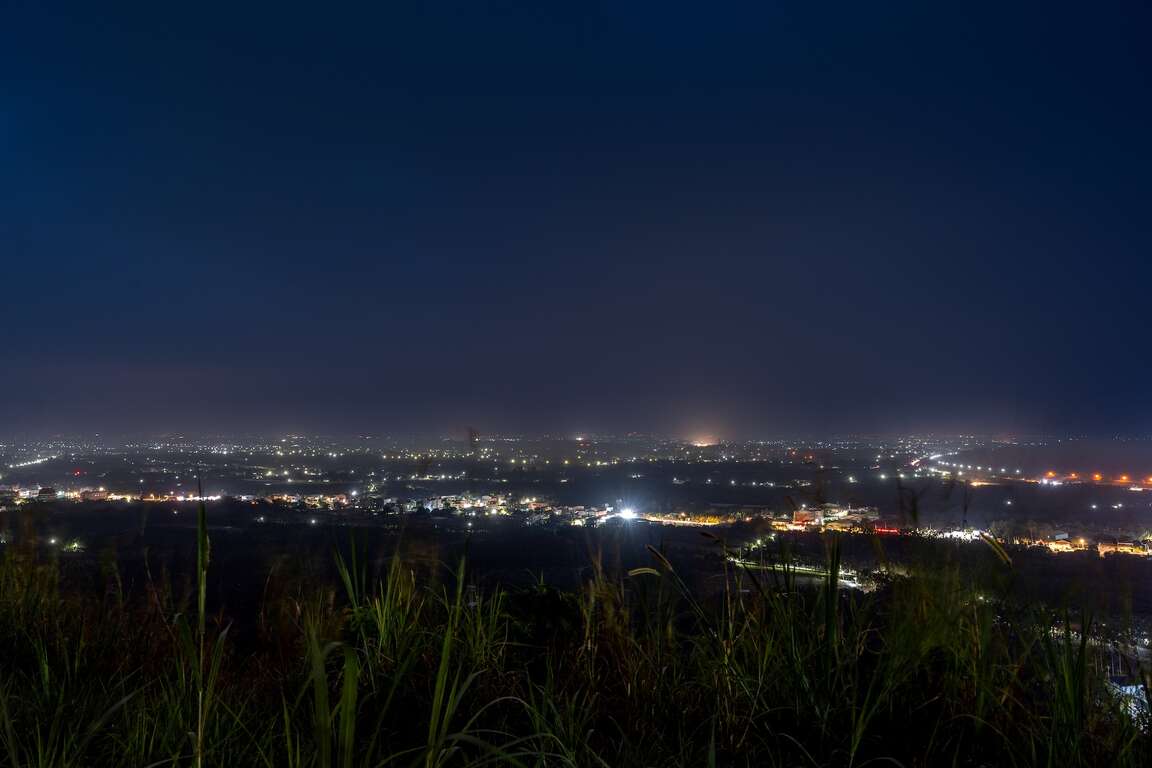
- Go up to the second-floor platform for sweeping views of the Pingtung Plain, especially captivating at sunset.
- At the visitor center, try on traditional Paiwan and Rukai attire and get a feel for Indigenous culture.
- Stroll through the mountainside village and capture the beauty of its wooden houses.
As a gateway to this permanent housing community, Rinari Visitor Center echoes the settlement's overall wooden architectural style, with clean lines that blend into the surrounding forests and mountains. In addition to offering travel information, the center serves as a key space connecting outside visitors with the daily lives of Indigenous residents, presenting Indigenous homeland culture to the public in a welcoming way. 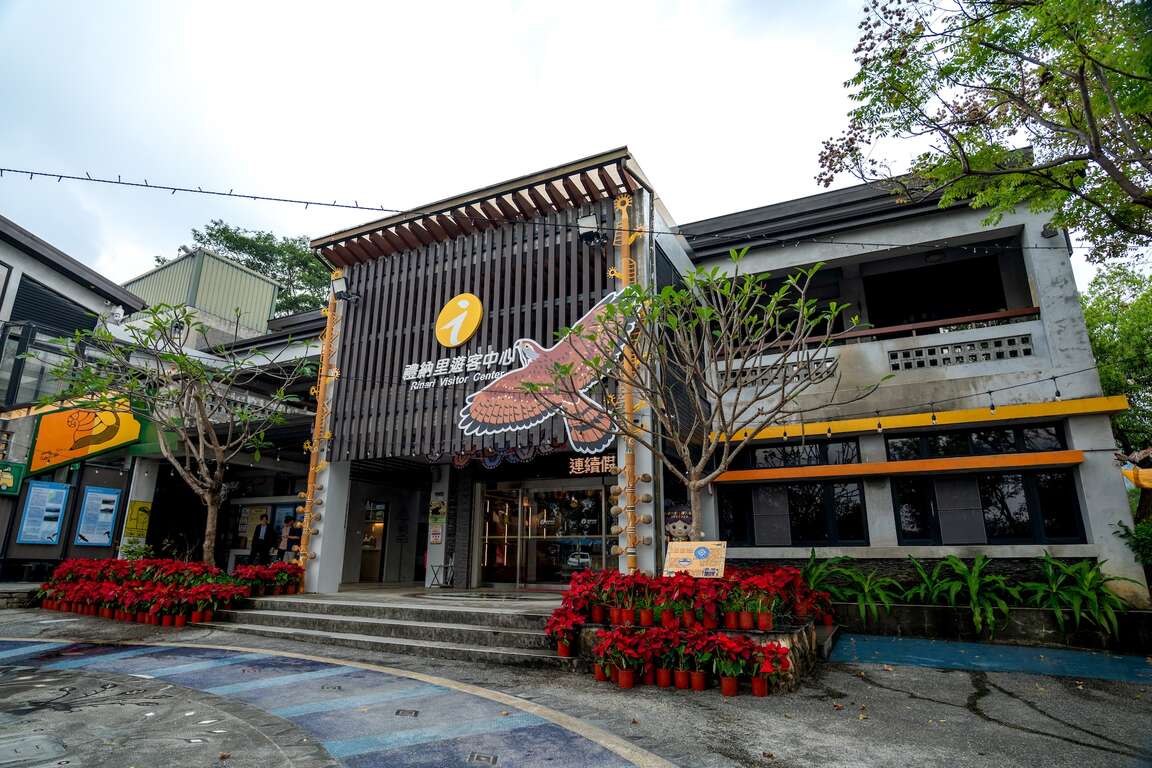
The center stands on the site of the former Majia Farm. After Typhoon Morakot struck in 2009, the government relocated the disaster-affected communities of Majia Village in Majia Township, Dashe Village in Sandimen Township, and Haocha Village in Wutai Township to this site so they could rebuild their homes. A striking mural on the wall, titled "Silent Protest," was created by Rukai artist Du Han-song of Kucapungane (Haocha, a Rukai Indigenous community); through the deep, solemn eyes of the figures in the mural, it silently reminds visitors that this land deserves respect beyond sightseeing.
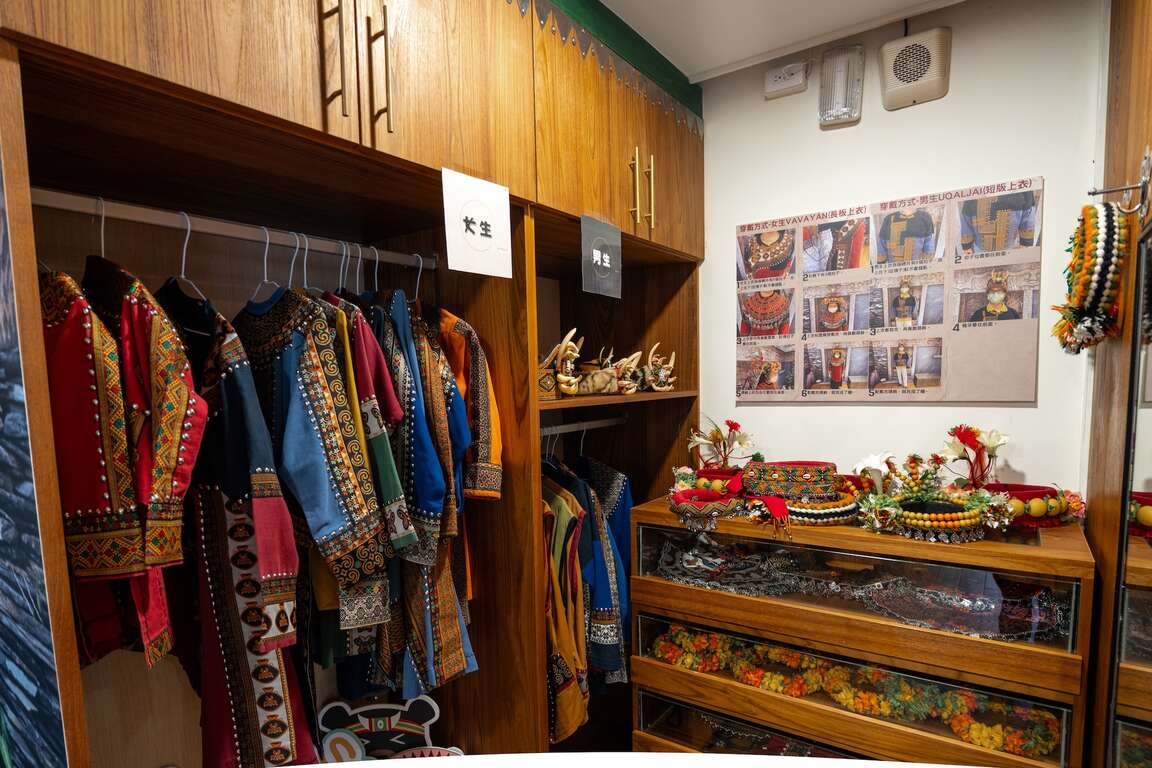
On arrival, visitors can first step inside to admire the interior designed by contemporary Paiwan artist Lavuras Matiling, who skillfully incorporated Indigenous motifs into the overall space. Indoors, outdoors, and across the wall surfaces, every corner showcases works created in collaboration by several Indigenous community artists; visitors can take their time appreciating and exploring the community's history and stories. The center also offers free traditional Paiwan and Rukai attire for visitors to try on and photograph against the surrounding natural scenery. The outdoor plaza often hosts event series, complemented by specialty markets selling distinctive local crafts. Follow the route up to the small second-floor platform for an open view over the Pingtung Plain; on clear days, 85 Sky Tower in Kaohsiung can even be seen in the distance. Whether at sunset or after dark, this is an excellent viewing spot.
After visiting the center, set aside half a day to stroll through Rinari Tribe (Rinari Indigenous community) and admire its distinctive architecture. If time allows, nearby stops such as the Taiwan Indigenous Peoples Cultural Park or the Shanchuan Glass Suspension Bridge can round out an in-depth Pingbei (Northern Pingtung) itinerary that blends natural landscapes with Indigenous culture.
The center stands on the site of the former Majia Farm. After Typhoon Morakot struck in 2009, the government relocated the disaster-affected communities of Majia Village in Majia Township, Dashe Village in Sandimen Township, and Haocha Village in Wutai Township to this site so they could rebuild their homes. A striking mural on the wall, titled "Silent Protest," was created by Rukai artist Du Han-song of Kucapungane (Haocha, a Rukai Indigenous community); through the deep, solemn eyes of the figures in the mural, it silently reminds visitors that this land deserves respect beyond sightseeing.
On arrival, visitors can first step inside to admire the interior designed by contemporary Paiwan artist Lavuras Matiling, who skillfully incorporated Indigenous motifs into the overall space. Indoors, outdoors, and across the wall surfaces, every corner showcases works created in collaboration by several Indigenous community artists; visitors can take their time appreciating and exploring the community's history and stories. The center also offers free traditional Paiwan and Rukai attire for visitors to try on and photograph against the surrounding natural scenery. The outdoor plaza often hosts event series, complemented by specialty markets selling distinctive local crafts. Follow the route up to the small second-floor platform for an open view over the Pingtung Plain; on clear days, 85 Sky Tower in Kaohsiung can even be seen in the distance. Whether at sunset or after dark, this is an excellent viewing spot.
After visiting the center, set aside half a day to stroll through Rinari Tribe (Rinari Indigenous community) and admire its distinctive architecture. If time allows, nearby stops such as the Taiwan Indigenous Peoples Cultural Park or the Shanchuan Glass Suspension Bridge can round out an in-depth Pingbei (Northern Pingtung) itinerary that blends natural landscapes with Indigenous culture.
相關資訊
Open Time
- Sunday:09:00 – 17:00
- Monday:09:00 – 17:00
- Tuesday:09:00 – 17:00
- Wednesday:09:00 – 17:00
- Thursday:09:00 – 17:00
- Friday:09:00 – 17:00
- Saturday:09:00 – 17:00
TEL
886-8-7997245
How to Get There